The Fabric of LifeA tour of Mallalieus' thriving Lancashire woollen mill
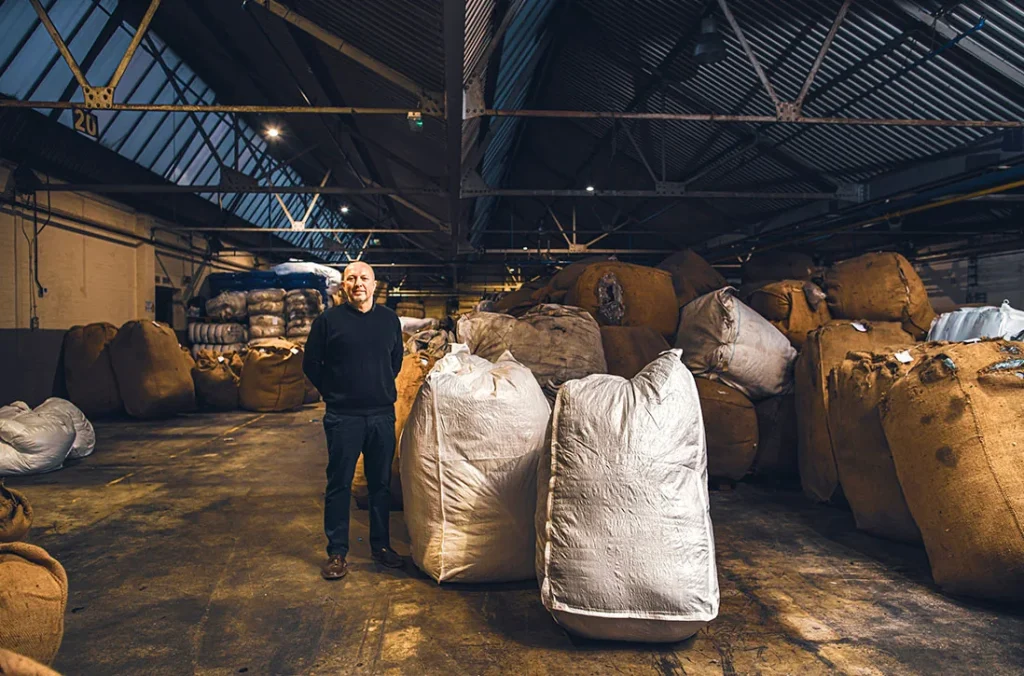
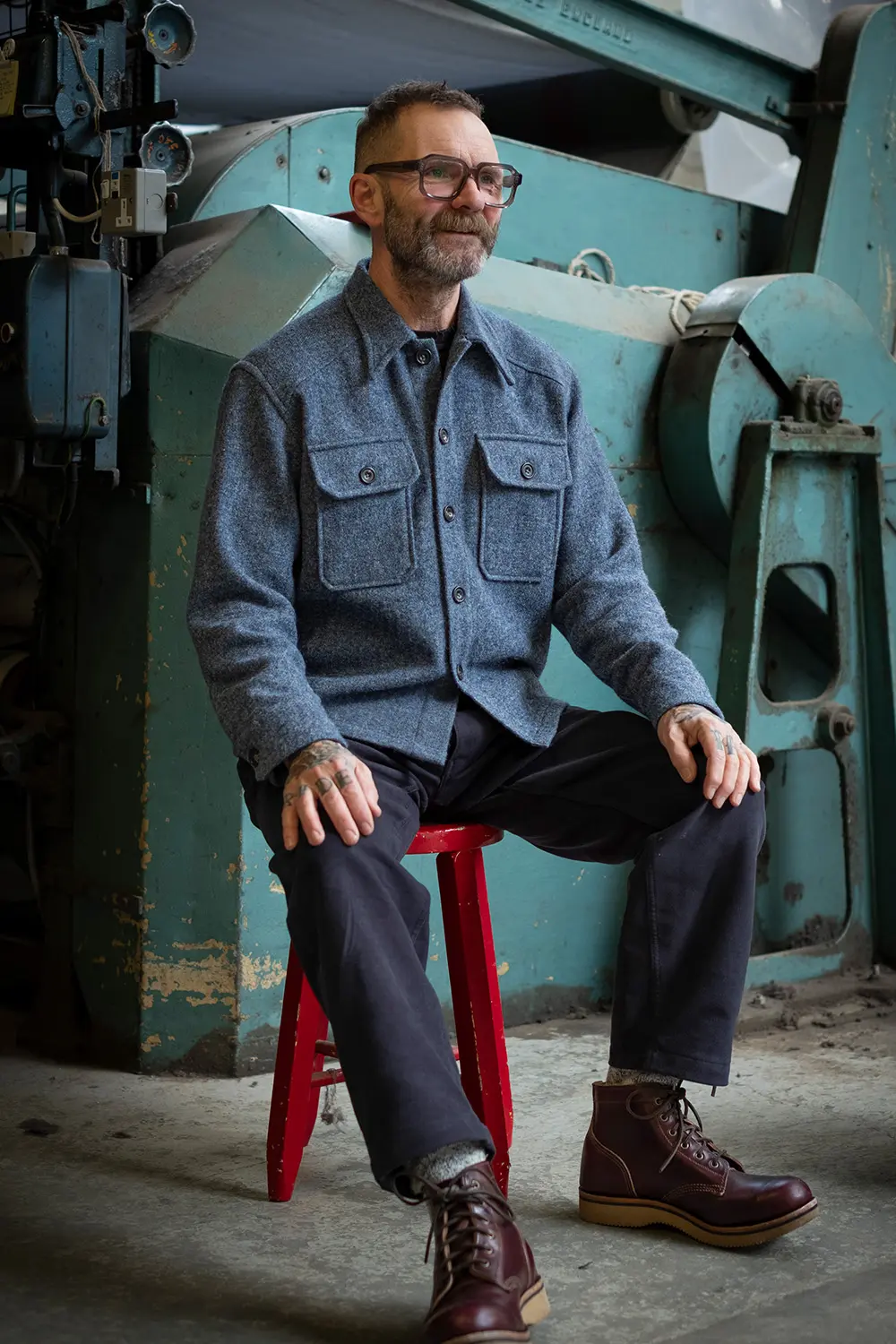
Pictured above: Clive Walsh, Mallalieus’ Managing Director among bales of musty wool, awaiting being turned into world-class fabric.
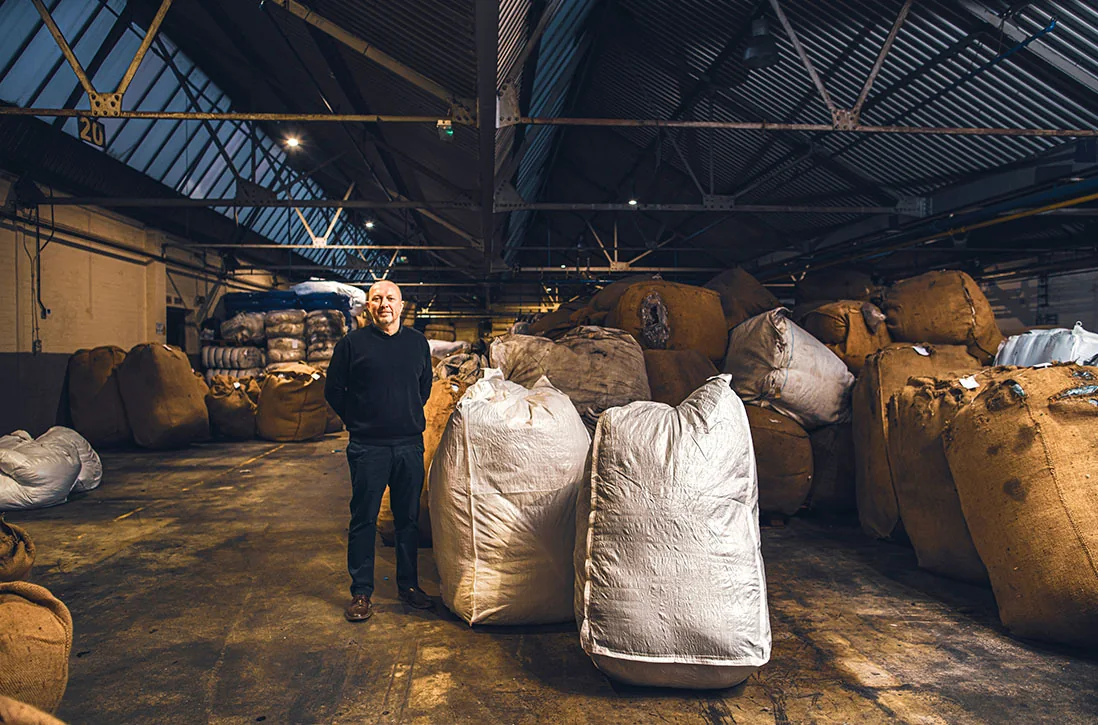
‘You can’t name a high-end fashion company we haven’t supplied.’
The stone façade of the mill doesn’t give much away. There are buildings like this all over the north of England, most looking well past their best, but still appearing stoically impermeable. Most need new window frames or replacement guttering at the very least. I’ve passed these kinds of mills for over 40 years, even working as a draughtsman at a tech company in Salts Mill back in the 90s. Most have been repurposed or boarded up, left as fuel for dreamers like me to think what they could be turned into.
If I’d driven past Valley Mill, Delph, near Oldham in Lancashire, I would have assumed this was one that fell into that category, too. A quick glimpse would show enough signs of life to assume something was going on in there, perhaps part had become a discount carpet warehouse. I wouldn’t, even with my HebTroCo grounding, have assumed it was a functioning woollen mill, making, y’know, world-class material, like it was built to do. That’s despite knowing Britain still does that kind of thing. But, just like I know there are indigenous snakes slithering around the countryside, I never expected to see one.
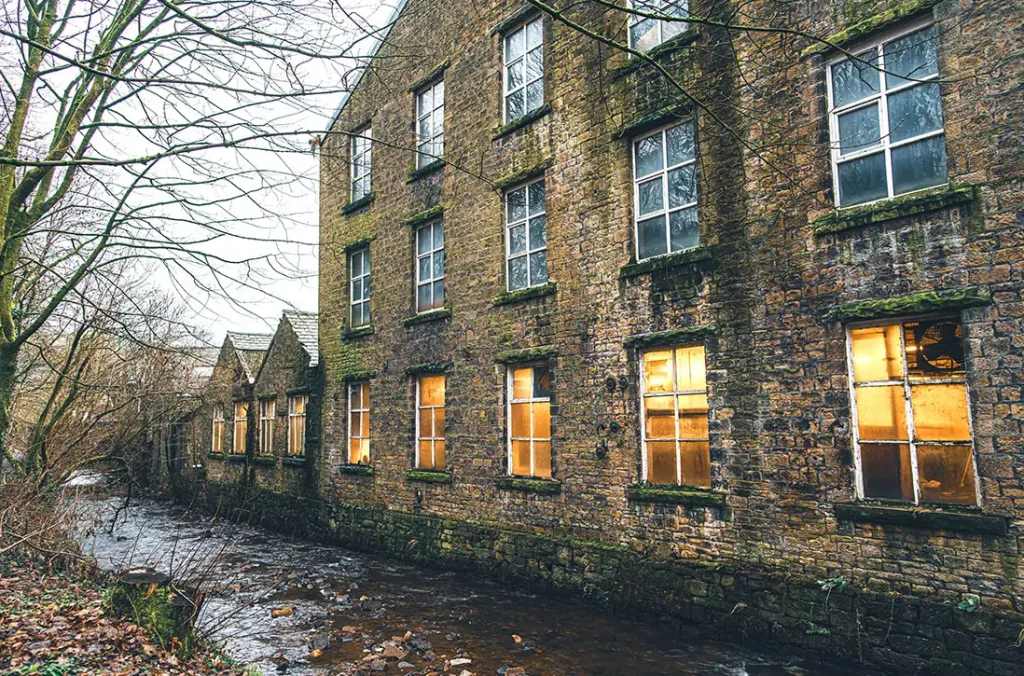
The rear of Valley Mill backs onto the River Tame.
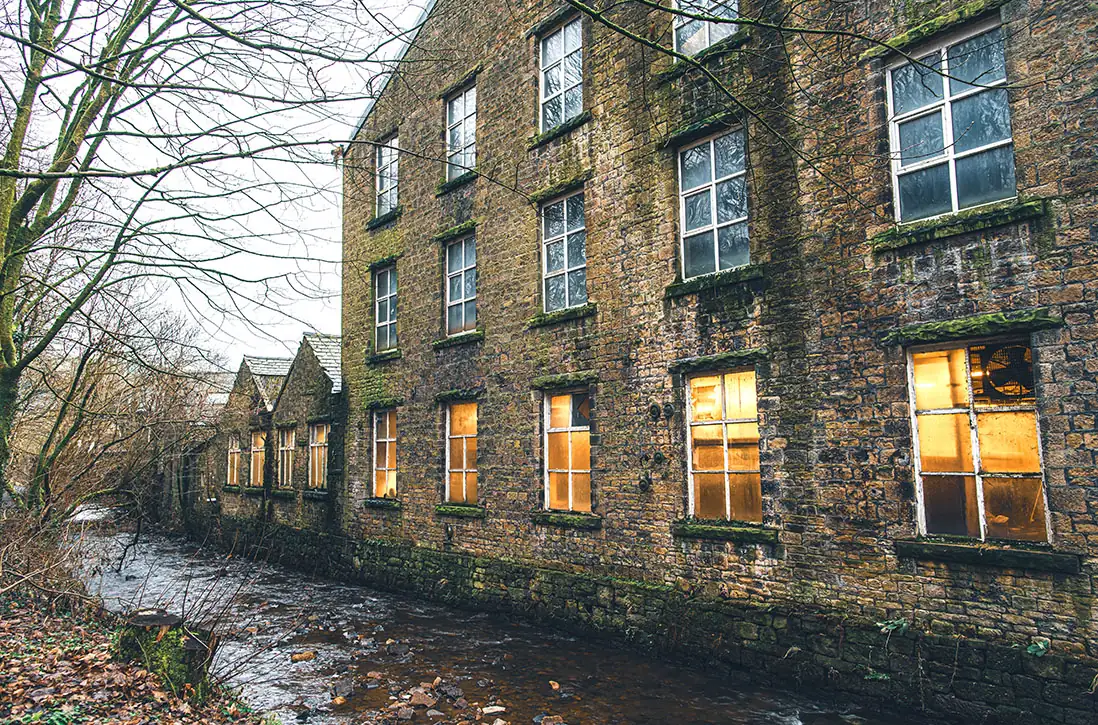
Mallalieus uses and controls the river water with sluice gates. Water is thoroughly cleaned before being returned to the flow. ‘You can drink it’ claims Walsh. The effluent is tested twice a week.
Mallalieus (pronounced Mal-la-loo) was formed by French immigrant brothers David and Henry Mallalieu in 1856. They opened their first mill in Delph, the town where the company is still based, in 1863. The firm was family-owned until 1996, and is now owned by another Delph wool industry dynasty, Gledhills. Mallalieus was long established as a ‘vertical mill’, one that turns raw fleeces, straight off the flock’s backs, into finished fabric under one roof (or at least on one site).
Since the Gledhill takeover, one step of the whole vertical process is completed in another Delph mill – a mile up the road. Gledhill’s site spins the wool to create the yarn, before it’s returned to Mallalieus for weaving.
If you’re reading this, it’s highly likely you’re a small part of helping to keep British mills like Mallalieus operating, and after spending a few hours wandering around the premises, I’m very grateful to you. This isn’t a Beamish Museum heritage theme park, it’s the best production of its type in the world. Places like this, and the skills the staff possess and develop, cannot be allowed to die. This is why…
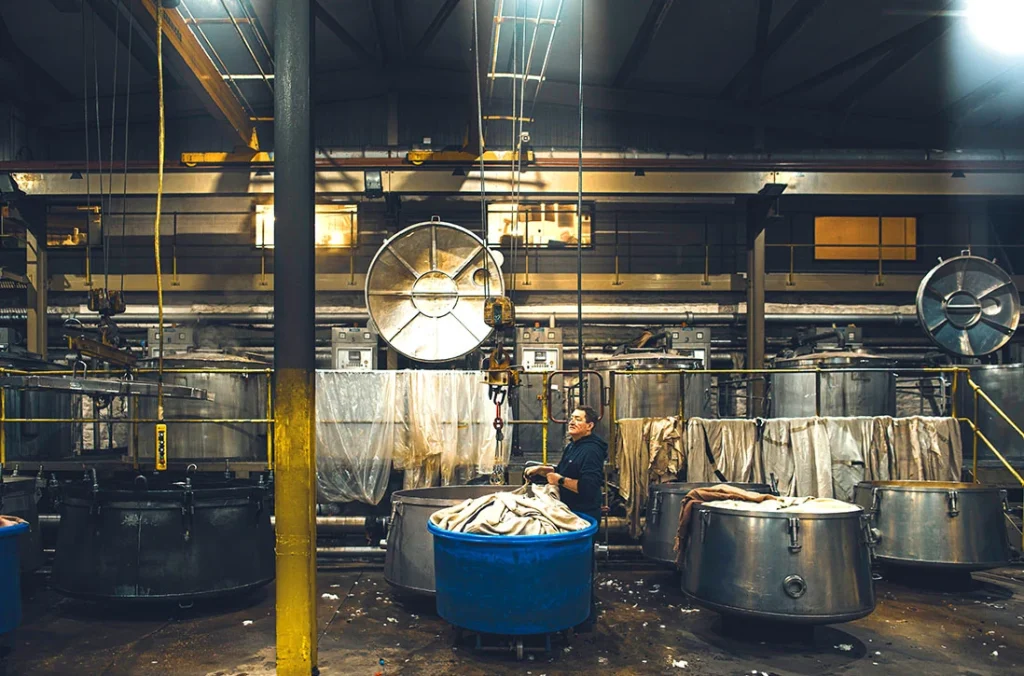
Some of Mallalieus’ fabrics are created from pre-dyed fibres, others are dyed after being woven into the ‘ecru’ fabric as seen below. All dying takes place on site.
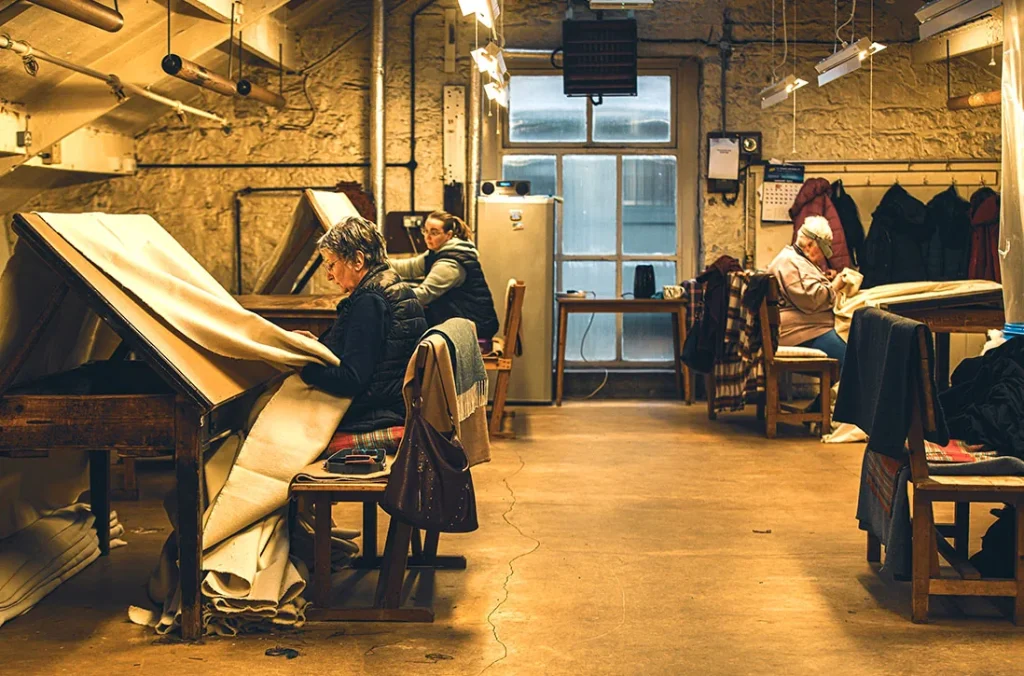
Every roll of fabric Mallalieus produce passes through the hands of the menders. Their fingertips feel for thread imperfections as they check every metre, then repair with needle and thread if needed. Clive the MD’s mother was a mender.
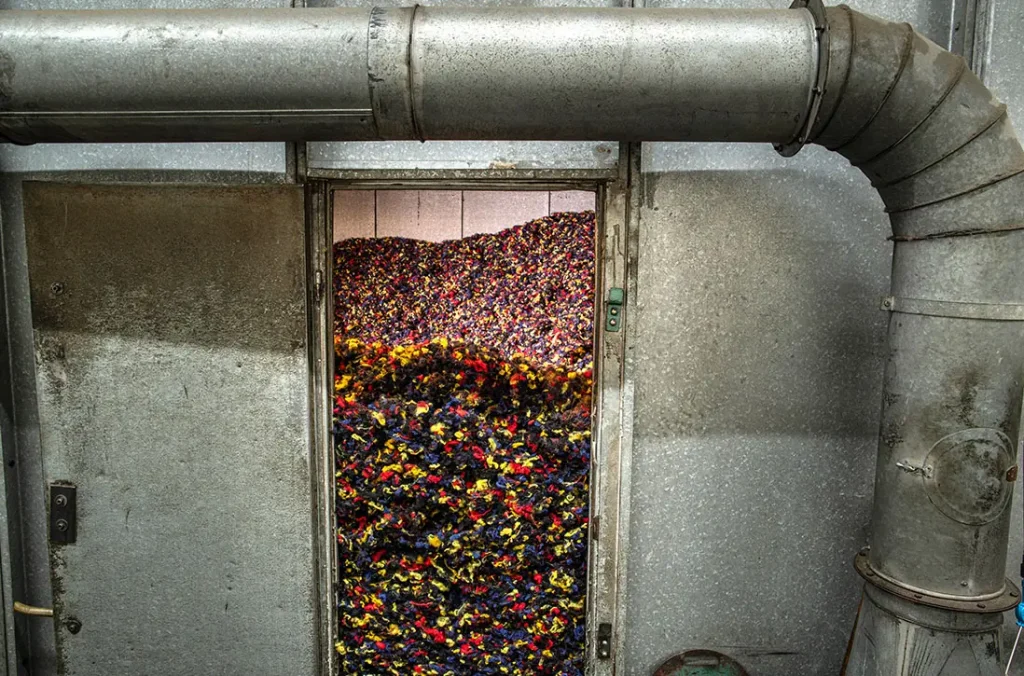
The mill blends its own died wool in tuft, 440kg at a time. The blended wool then goes for spinning into yarn at Gledhills, before returning to be woven.
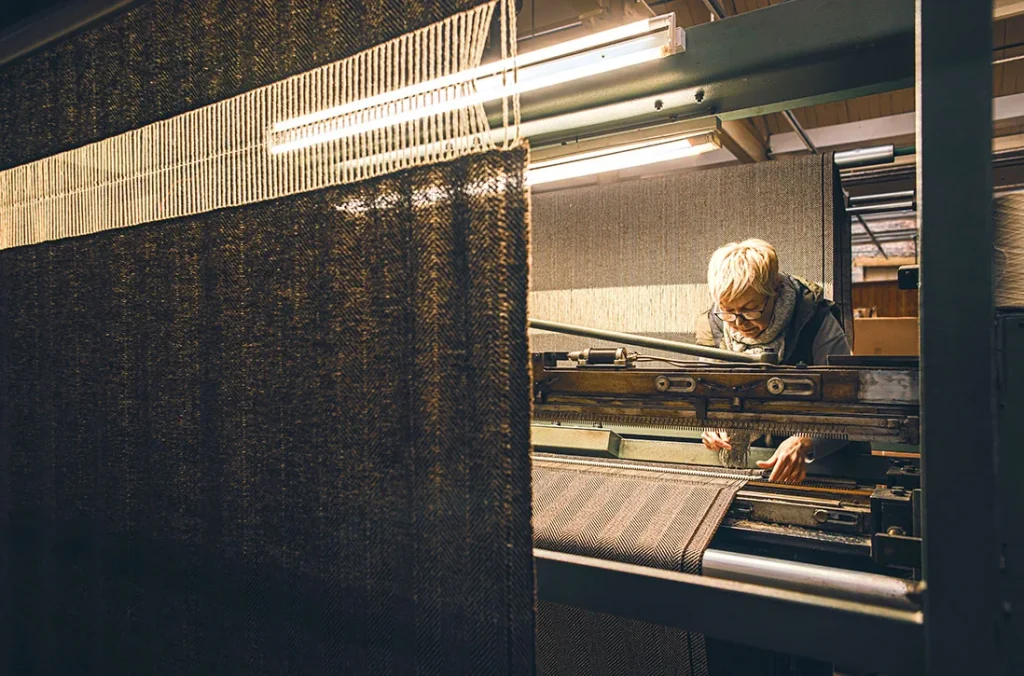
The weft is passed through the warp to create the woven fabric. Rapiers whizz from either side of the loom to the middle where they meet and pass the thread to the other to create the weave. It happens six times per second and is hypnotic to witness.
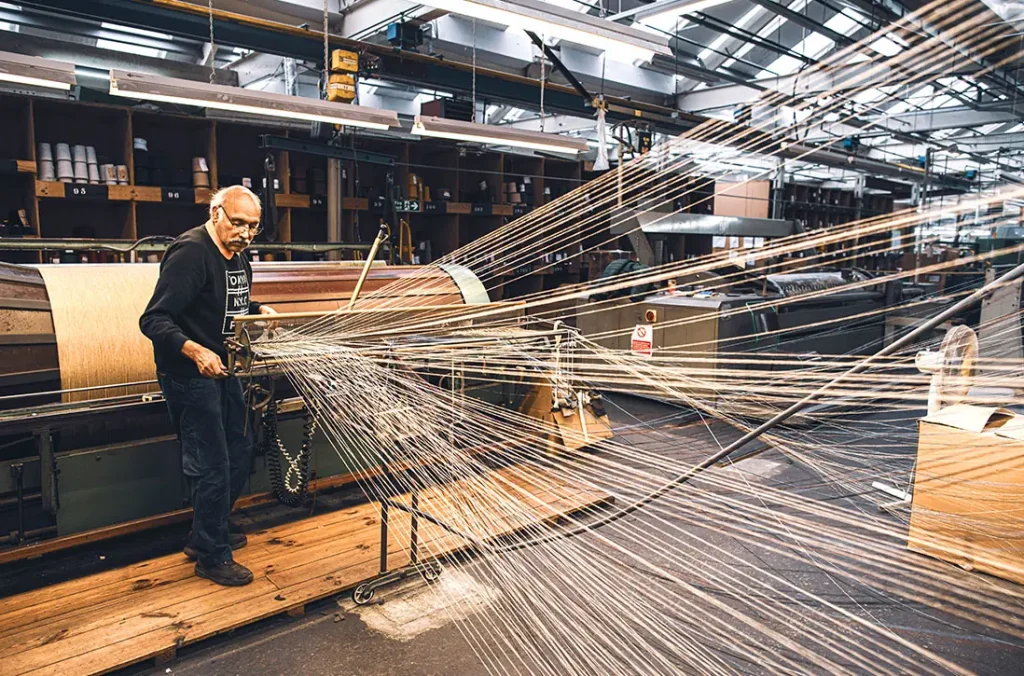
The whole process is fundamentally industrial, but often extremely delicate. 100-plus bobbins of yarn feed warp production. If one thread breaks the machine automatically stops and a bulb lights to signal which bobbin requires attention.
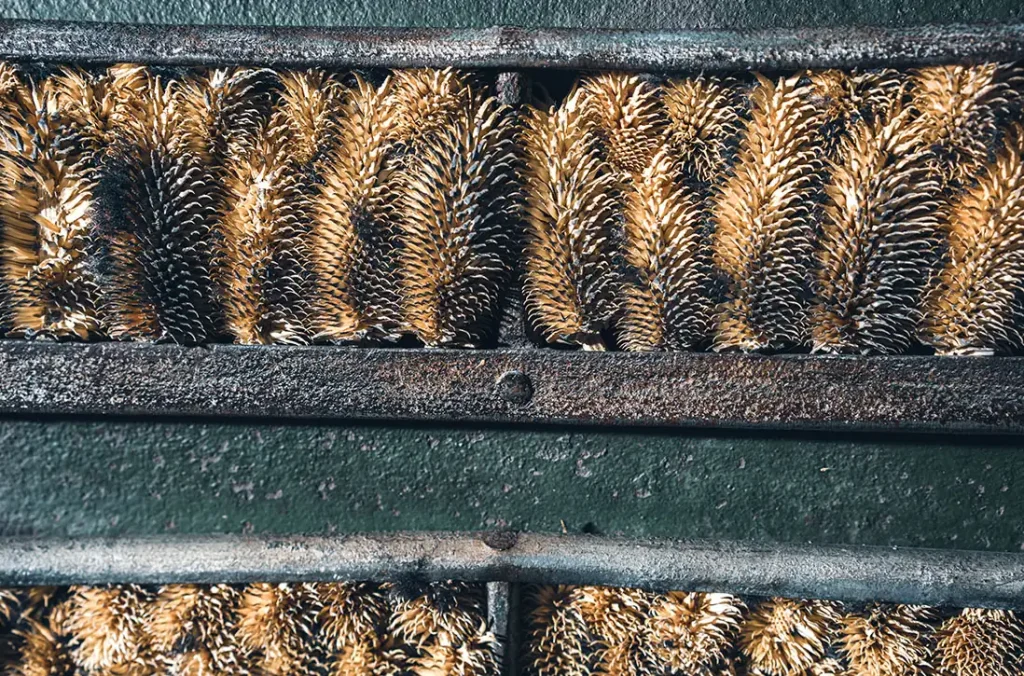
Natural teasles are set in multiple rows and certain fabrics, like Meltons, are passed over the teasles to ‘lift’ the surface, the nap, to create a different texture. The process is called gigging. No manmade equivalent has bettered teasles.
Some of Mallalieus’ machinery is Italian, but most was made in Northern England. The manufacturers’ nameplates read like the gravestones in a local cemetery…
Words by Gary Inman
Photos by Sam Christmas
First published in Issue 5 of BOTHER magazine May 2025